Maintenance Schedules for Single-Phase Explosion-Proof Motors: Ensuring Reliability in Hazardous Environments
Industry Background and Market Demand
Single-phase explosion-proof motors are critical in industries where flammable gases, vapors, or dust pose a risk of ignition. These motors are widely used in oil and gas, chemical processing, mining, and pharmaceuticals, where operational safety is non-negotiable. The global demand for explosion-proof equipment is rising due to stricter safety regulations and the expansion of hazardous industrial operations.
Unlike standard motors, explosion-proof models are designed to contain internal explosions, preventing ignition of the surrounding atmosphere. Given their specialized role, maintenance schedules are crucial to ensure longevity, compliance, and operational efficiency. A well-structured maintenance plan reduces downtime and mitigates risks associated with motor failure in volatile environments.
Core Concepts and Key Technologies
Explosion-Proof Motor Design
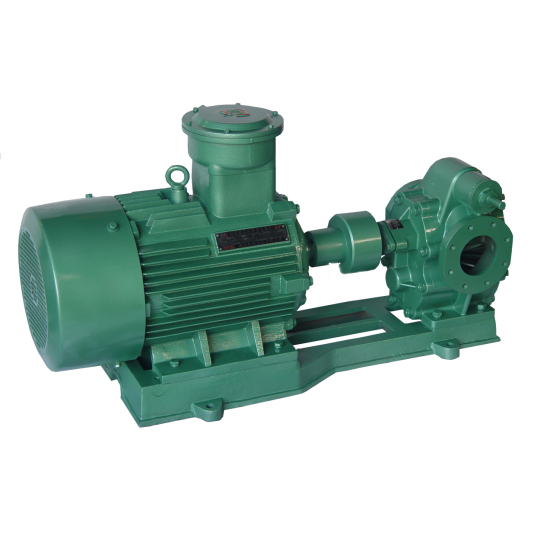
Single-phase explosion-proof motors are built to withstand and contain internal explosions. Key design elements include:
- Flameproof Enclosures (Ex d): Heavy-duty casings that prevent internal sparks or explosions from escaping.
- Enhanced Sealing: Prevents ingress of dust or gases that could trigger combustion.
- Thermal Management: Heat-resistant materials and cooling systems to avoid overheating.
Maintenance vs. Standard Motors
While standard motors require periodic lubrication and electrical checks, explosion-proof models demand additional precautions:
- Seal Integrity Checks: Ensuring gaskets and joints remain airtight.
- Explosion-Proof Certification Compliance: Regular inspections to maintain safety certifications (e.g., ATEX, IECEx, UL).
Product Structure, Materials, and Manufacturing
Critical Components
1. Housing: Cast iron or aluminum alloy for durability and heat dissipation.
2. Bearings: High-grade, lubricated bearings to minimize friction and heat generation.
3. Wiring: Insulated, corrosion-resistant conductors to prevent short circuits.
4. Cooling System: Fan-cooled or TEFC (Totally Enclosed Fan Cooled) designs for thermal regulation.
Manufacturing Considerations
- Precision Machining: Tight tolerances to ensure flame paths remain intact.
- Material Selection: Non-sparking metals and anti-static coatings.
- Quality Testing: Hydrostatic pressure tests and spark ignition resistance checks.
Key Factors Affecting Performance and Quality
1. Environmental Conditions: Exposure to corrosive chemicals or extreme temperatures accelerates wear.
2. Operational Load: Overloading increases heat and mechanical stress.
3. Maintenance Intervals: Infrequent inspections lead to undetected wear.
4. Installation Quality: Improper alignment or mounting causes vibration and premature failure.
Supplier Selection and Supply Chain Considerations
When sourcing single-phase explosion-proof motors, consider:
- Certifications: Suppliers must comply with ATEX, IECEx, or UL standards.
- Material Traceability: Documentation proving component origins and quality.
- After-Sales Support: Availability of spare parts and technical assistance.
Common Industry Challenges
1. High Maintenance Costs: Specialized parts and labor increase expenses.
2. Misapplication: Using non-certified motors in hazardous zones leads to safety violations.
3. Corrosion and Contamination: Harsh environments degrade seals and wiring.
4. Regulatory Complexity: Keeping up with evolving safety standards.
Application Scenarios and Use Cases
Oil & Gas Industry
- Offshore Platforms: Motors powering pumps and compressors must resist saltwater corrosion and explosive methane.
- Refineries: Used in agitators and conveyor systems handling volatile hydrocarbons.
Chemical Processing
- Mixers and Reactors: Motors must endure acidic fumes and flammable solvents.
Mining Operations
- Ventilation Systems: Preventing coal dust ignition in underground mines.
Current Trends and Future Developments
1. Predictive Maintenance: IoT sensors monitor vibration, temperature, and electrical parameters in real time.
2. Lightweight Materials: Advanced alloys reduce motor weight without compromising durability.
3. Energy Efficiency: IE3/IE4 compliance lowers operational costs.
4. Modular Designs: Easier disassembly for maintenance and part replacement.
FAQ: Common Questions on Maintenance Schedules
Q: How often should single-phase explosion-proof motors be inspected?
A: A baseline inspection every 3–6 months is recommended, with more frequent checks in harsh environments.
Q: What are the signs of impending motor failure?
A: Unusual noise, overheating, increased power consumption, or visible corrosion.
Q: Can standard lubricants be used in explosion-proof motors?
A: No—only non-flammable, high-temperature greases approved for hazardous areas.
Q: How does humidity affect motor performance?
A: Moisture degrades insulation and corrodes contacts, necessitating enhanced sealing.
Conclusion
Maintaining single-phase explosion-proof motors requires a structured approach that balances safety, efficiency, and regulatory compliance. By understanding design principles, material considerations, and industry-specific challenges, operators can extend motor lifespan while minimizing risks. As technology advances, predictive maintenance and smarter materials will further optimize reliability in hazardous environments.
(Word count: 1,280)

 Pусский
 ???????
 中文
中文








 Phone
Phone
Comment
(0)